




Two slots can share the same RTP yet feel nothing alike because they detect wins differently. The rules that decide when symbols count lines, ways, or clusters govern hit frequency, prize size, and the emotional beat between spins. Understanding these systems helps you predict session texture before you wager.
Fixed Paylines
Classic and many video slots use predefined paths running across the reels. You win when matching symbols land on these exact routes, usually left to right starting on reel 1. More active lines mean more opportunities, but also divide your bet across lines. Because lines are precise, outcomes feel binary: either symbols align on a line or they don’t. This provides crisp anticipation, especially when you’re watching a single reel stop to complete a path.

Before listing the pros and cons, remember that lines concentrate value into specific tracks. This creates clear “almost” moments but can reduce small incidental hits.
- Pros: Strong moments of tension; precise control over lines and bet per line; familiar structure.
- Cons: Misses feel sharper; small symbol scatters off-line don’t count; volatility depends heavily on paytable shape.
When lines suit your taste, favor games with line counts and bet per line settings that match your bankroll. If a paytable shows big jumps for five-of-a-kind, expect a spikier ride.
Ways to Win
“Ways” systems ignore lines and count any matching symbols on adjacent reels, usually from left to right. A 243-ways game (3×5 grid) evaluates every position combination across reels; bigger grids reach 1,024 or more ways.
Before the quick comparison, note that ways convert many near-misses into small connections, smoothing the session.
- Pros: Frequent small wins; easier visual parsing any symbol in the reel column can help.
- Cons: Average hit values are lower; big spikes typically rely on multipliers, stacked symbols, or features.
If you prefer steady motion and fewer “off-line” frustrations, ways games feel generous but budget for more spins to let those incremental wins add up.
Cluster Pays
Cluster titles drop lines and adjacency rules entirely, rewarding groups of matching symbols that touch horizontally or vertically. They often pair with cascades, removing winning clusters so new symbols fall and possibly form chains in a single paid spin.
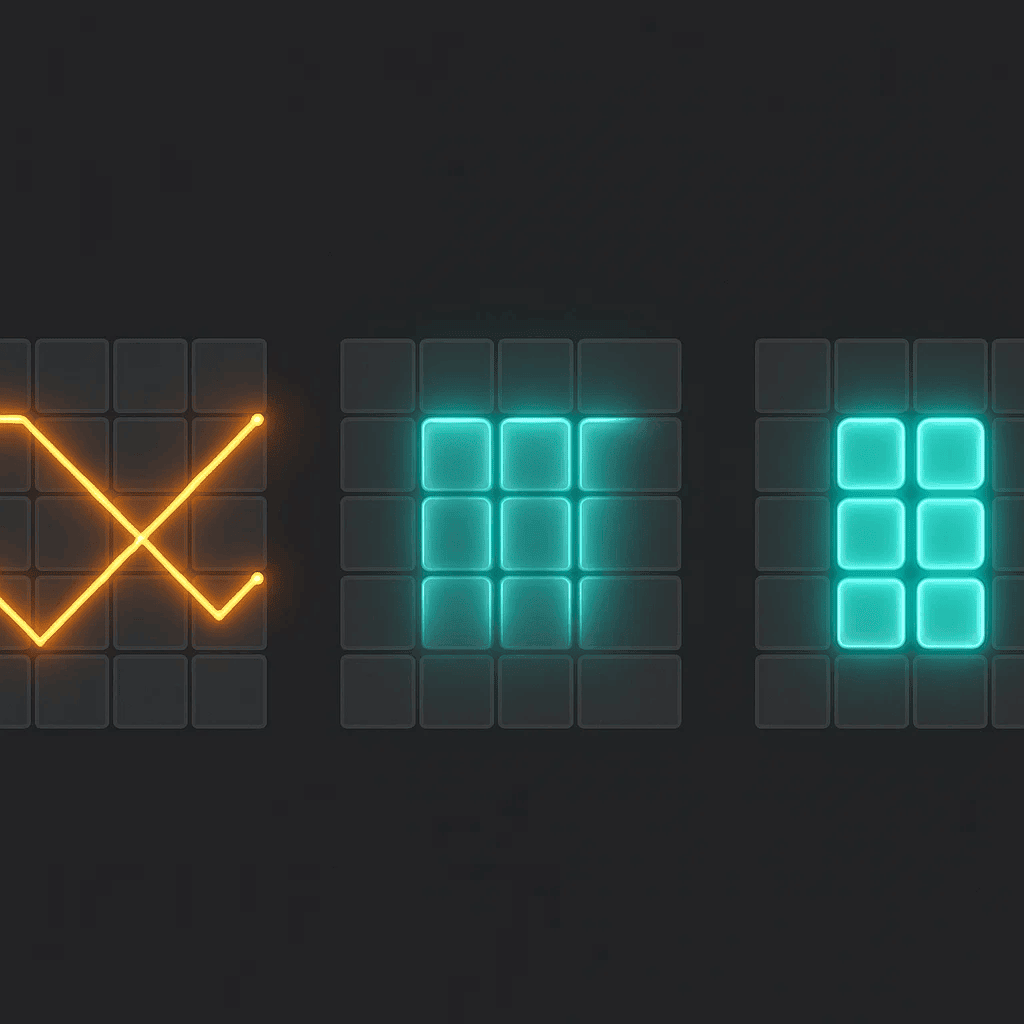
Before we list the trade-offs, keep in mind that clusters thrive on board space and symbol distribution; one removal can trigger long sequences.
- Pros: Chain reactions; strong synergy with multipliers and special wilds; dynamic boards.
- Cons: Reading the grid can be busy; outcomes depend on streaky cascades; volatility can swing from gentle to brutal based on feature tuning.
If you enjoy puzzle-like flow and surprise chains, clusters deliver spectacle. Just expect sessions to hinge on a few extended cascades rather than steady taps.
Choosing the Right System for You
Before you pick a stake or even a theme, decide what kind of rhythm you want from your session. Fixed paylines create sharp, definable “hit or miss” moments; ways-to-win smooth the ride with frequent small connections; cluster pays deliver puzzle-like cascades that can snowball. Matching this cadence to your bankroll and patience level matters more than any single feature.
- Want clear, high-impact moments? Pick fixed paylines.
- Want smoother cadence with many small connections? Choose ways.
- Want dynamic cascades and board manipulation? Try clusters.
Begin with a modest stake and test 30–50 demo spins. Watch hit frequency, average prize size, and how often features amplify outcomes. Then scale your bet to the volatility you actually feel, not the one you imagine.
Conclusion
Win detection isn’t a cosmetic choice, it’s the heartbeat of a slot. Lines provide surgical precision, ways deliver gentle momentum, and clusters create chain-driven drama. Match the system to your temperament and bankroll, and you’ll know what rhythm to expect long before the first spin stops.