

Modern slot games are built on behavioral science as much as code. Every sound, flash, and animation serves to maintain focus and flow. These cues activate the brain’s reward circuits, releasing dopamine during both real and near wins. The thrill feels spontaneous, but the design is intentional.
Variable rewards and the near-miss effect
Human motivation reacts strongest to unpredictable rewards. Variable outcomes trigger curiosity and anticipation more effectively than steady ones. Slots operate on this principle; occasional wins of varying sizes maintain engagement.
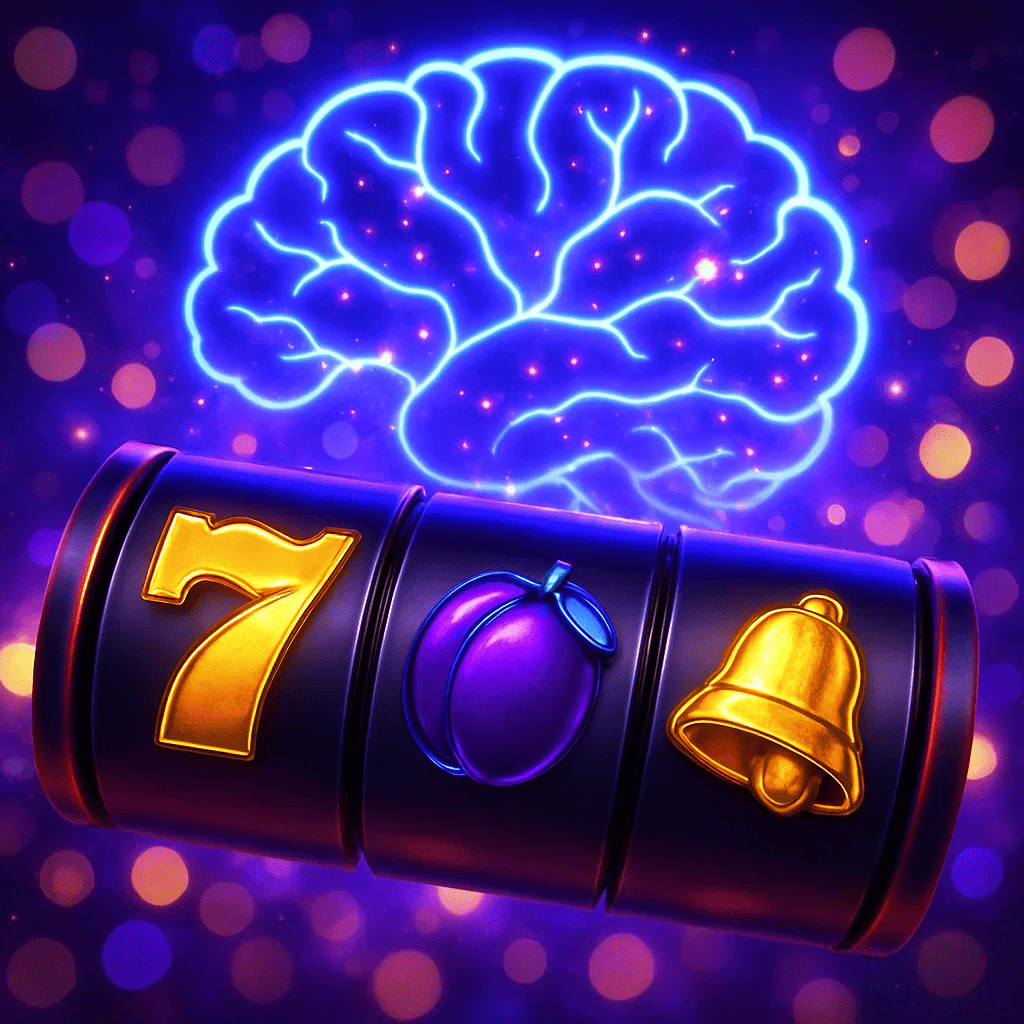
The near-miss (two symbols aligning while the third just misses) intensifies this effect by creating a feeling of “almost winning,” which stimulates the same brain areas as a true victory.
Visuals, sound, and emotion
Visual design uses contrast and motion to guide attention, while music and sound build emotional rhythm.
Bright lights mark excitement; calm hues create rest moments. Audio tempo increases during bonuses or free spins, heightening arousal.
Together, these sensory elements create an emotional wave of anticipation, release, and satisfaction that keeps players immersed.
Expectation and the illusion of control
Players often believe they can influence outcomes by timing spins or reading “patterns.” This illusion of control enhances engagement, even though results are purely random. Similarly, people remember wins more vividly than losses, a confirmation bias that strengthens selective confidence.
Awareness of these mental shortcuts helps players understand why certain experiences feel more “lucky” or “unlucky” than they are statistically.

Maintaining awareness and balance
Recognizing design psychology does not spoil enjoyment, it enhances it. Awareness restores autonomy by reminding you that excitement is designed, not accidental.
Before playing, set limits and watch for emotional signs like restlessness or urgency. Short pauses can reset focus and prevent impulsive behavior.
Simple awareness checklist
Reflect briefly before each session to stay grounded.
- Define your purpose: fun, relaxation, or testing a feature.
- Notice which sounds or visuals increase your tension.
- Set time and money limits before you start.
- Step away if play stops feeling like entertainment.
Conscious play turns randomness into recreation instead of compulsion.
Summary
Slot experiences blend math, art, and psychology. The math defines fairness, the art creates appeal, and the psychology sustains engagement. Understanding all three gives players control. The real win is not a jackpot it’s playing by choice, not by impulse.