



A bonus is an incentive with rules attached. Those rules determine how easily bonus value converts into withdrawable cash. Understanding a few core concepts wagering requirements, bonus type, game weighting, and risk controls matters far more than the headline amount. With the right expectations, bonuses can extend playtime or smooth variance; with the wrong assumptions, they can trap you in a long, unprofitable grind.
Wagering requirements: the engine under the hood
Wagering (sometimes called playthrough) is the total amount you must bet before you can withdraw bonus-derived funds. A “20× bonus” requirement on a 100 unit bonus means 2,000 units of total bets before cashing out. If the requirement is “20× bonus + deposit,” the target rises accordingly. What counts as progress depends on the game weighting and any excluded titles.

The key takeaway is simple: the higher the multiple, the longer you’ll play and the more exposure you have to the house edge and variance. Lower multipliers and shorter time limits are usually friendlier to players.
Sticky vs non-sticky: why the structure matters
Both structures can look identical upfront but behave very differently once you start playing.
- Sticky bonus keeps the bonus amount locked. You can withdraw only what you win above the starting stack after meeting wagering; the original bonus vanishes at cash-out. This design extends playtime but limits end value.
- Non-sticky bonus treats your own cash as the first balance. If you win early with the cash portion, you can often withdraw immediately by forfeiting the unused bonus. If you lose the cash, the bonus “activates” with its wagering. This structure offers better “early cash-out” optionality.
Because these behave differently, the same headline percentage can yield very different real-world outcomes.
After identifying the structure, match it to your goals: non-sticky favors flexibility; sticky favors raw playtime.
Game weighting and exclusions: progress isn’t always 100%
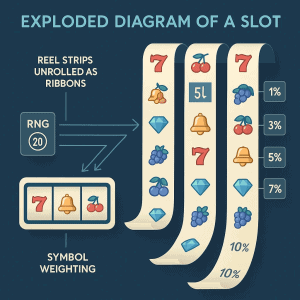
Weighting determines how much each game contributes to wagering. For example, some slot categories may count 100%, while certain table games count a fraction or are excluded entirely. High-volatility titles sometimes contribute less or are restricted to prevent “bonus abuse” via outsized variance.
Always check how your preferred game type counts before you commit. A generous multiplier can still be unfriendly if your game contributes little toward completion.
Max bet rules, time limits, and other small print that bites
Bonus terms often cap the maximum bet per spin or hand while wagering is active. Exceeding the limit can void winnings. Time limits also apply; if the window closes, remaining bonus funds or progress may be lost. Some offers cap the maximum convertible winnings or restrict withdrawals until verification steps are complete.
Treat these as operational guardrails: set your stake size to respect the cap, ensure you have time to finish wagering, and complete identity checks early to avoid delays.
Volatility, RTP, and the bonus grind
Two offers with the same wagering can feel wildly different depending on your game choice.
- Volatility: Higher-variance games can complete wagering quickly if big wins arrive, but they can also burn the balance before you make real progress. Lower-variance games produce steadier contribution toward the target but may struggle to break through to large cash-out amounts.
- RTP: Over long stretches, higher-return games slightly reduce expected loss during wagering. When options exist, favor the better long-term return while keeping volatility in mind.
Aim to balance variance and time: if the wagering window is short, consider steadier games; if you have time and a non-sticky structure, selective shots at higher variance can make sense.

Three realistic scenarios
These examples won’t predict your session but will help you choose an approach that matches your risk tolerance.
- Small budget, large wagering multiple. Progress will be slow and variance unforgiving. Consider skipping the bonus or choosing a smaller one with a lower multiple; if you accept it, pick lower-variance games and modest stakes.
- Medium budget, non-sticky bonus. Start on games you know with sensible stakes. If you hit an early upswing on your cash balance, cash out and forfeit the unused bonus; if you dip, proceed with the bonus and switch to a plan that respects max bet and weighting.
- Large budget, sticky bonus with high cap. You’re buying playtime and a shot at a tall cash-out. Use stakes that keep you under the max-bet rule and consider a mixed playlist: steadier titles to build progress, then occasional higher-variance features when ahead.
In all cases, define your stop-loss and walk-away levels before you start. Decisions made calmly upfront beat mid-session impulse changes.
A practical pre-claim checklist
Before you accept any offer, take a minute to translate the marketing line into your own plan.
- Confirm the wagering multiple and whether it applies to the bonus only or bonus + deposit.
- Identify the bonus structure (sticky vs non-sticky) and decide how you’ll react to early wins or losses.
- Check game weighting, exclusions, and the max bet rule against the way you actually play.
- Note the time limit, any win caps, and verification requirements so there are no surprises.
Once you’ve answered these four points, you’ll know whether the offer fits your playstyle or if it’s better to pass.
Glossary
Wagering/playthrough: Total amount you must bet to unlock withdrawals of bonus-derived funds.
Sticky bonus: Bonus can’t be withdrawn; only winnings above the starting stack can be cashed after wagering.
Non-sticky bonus: Your cash plays first; you may withdraw early wins and forfeit the unused bonus, or continue with wagering if cash is lost.
Game weighting: Percentage of each game’s bets that count toward wagering.
Max bet: Highest allowed stake per spin/hand during wagering.
RTP (Return to Player): Long-term percentage of stakes returned as prizes.
Volatility/variance: How uneven results can be around the average return.
Final thought
Bonuses can be useful tools, extra time on device, smoother variance, or a calculated shot at a bigger cash-out but only when the structure, wagering, and your own goals align. Read the rules, run the quick checklist, and let the terms not the headline number drive your decision.