



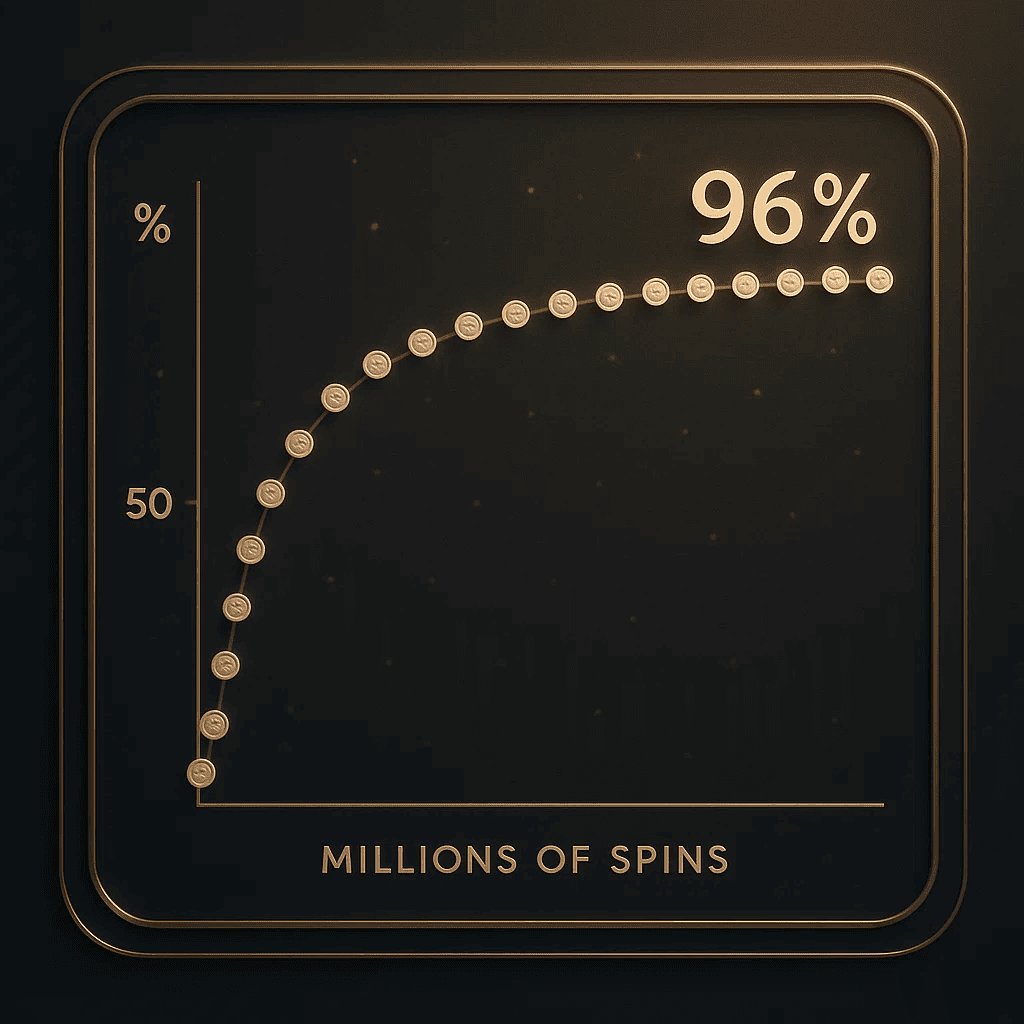
Return-to-player (RTP) is the long-run proportion of total wagers that a slot pays back as prizes. If a game is listed at 96%, that doesn’t promise your session will end with 96% of your stakes returned. It simply describes how the math model behaves over huge samples, think millions of spins. In the short run, variance dominates: single sessions can land far above or below the long-term expectation.
How Designers Spread RTP Across the Game
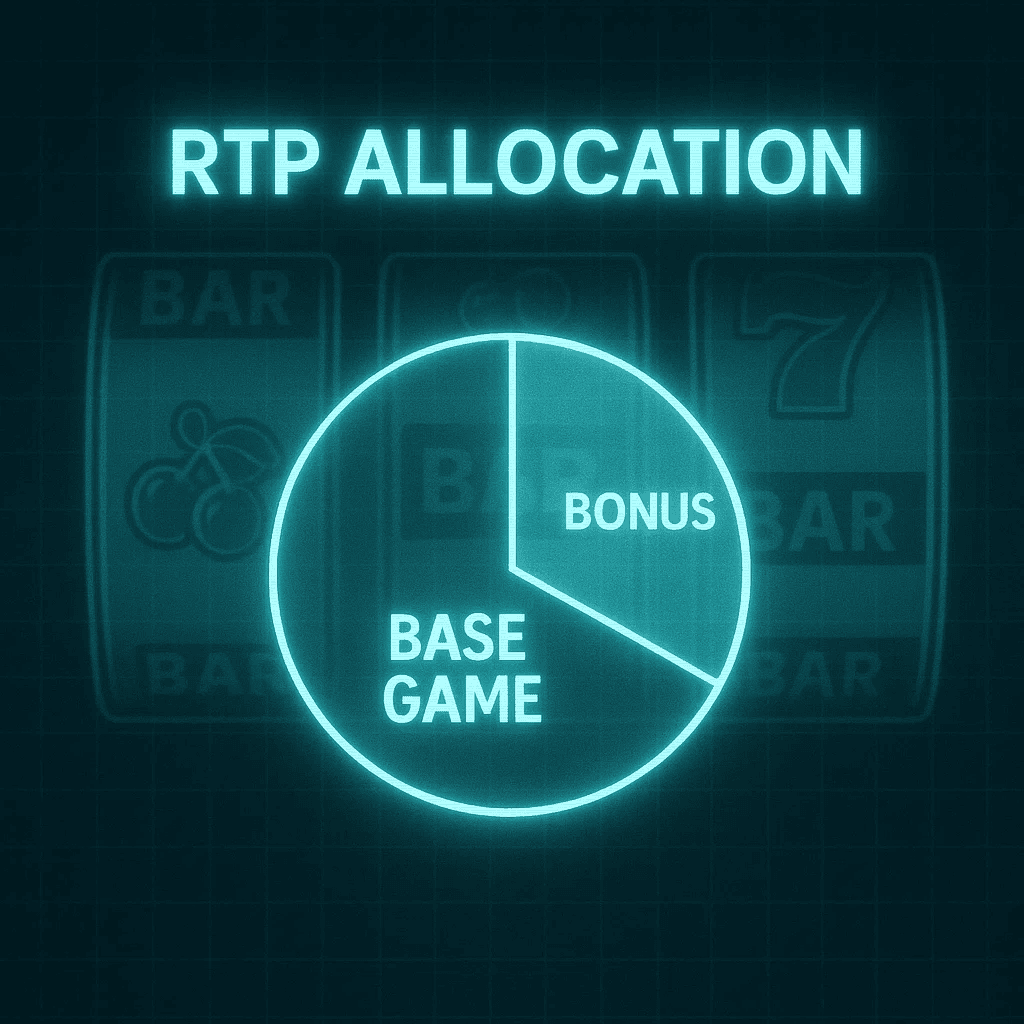
A slot’s overall RTP is distributed across the base game and its features. Some titles keep the base game lively with frequent low-value wins, reserving a smaller share for bonuses. Others stash significant value in rare free spins or a hold-and-spin round. Two games with the same RTP can feel radically different because of where that value lives. Reading the rules helps you understand whether your bankroll will be tested by droughts while waiting for bonuses, or sustained by constant small taps.
Volatility: The Other Half of the Story
Volatility describes how unevenly wins arrive. Low-volatility games hit often, usually with modest rewards. High-volatility games deliver long quiet stretches punctuated by big bursts, often tied to multipliers or expanded reels in a feature. RTP and volatility are separate: a 96% low-volatility slot and a 96% high-volatility slot return the same share over time but have very different emotional rhythms and bankroll demands.
Why RTP Doesn’t Change with Bet Size, Time, or Device
Common myths suggest RTP improves at higher bets, during certain hours, or on specific devices. Modern slots use random number generators that are indifferent to these factors. Stake size scales payouts but not the percentage. The algorithm does not track time-of-day, and phone or desktop versions use the same math configuration when published under the same rules.
Multiple RTP Configurations Exist Check Before You Play
Many titles ship with several approved RTP settings. One venue might run the 96% build; another may choose 94% or 92%. The only reliable way to know is to open the game’s information page and verify the figure shown there. Because differences of a few percentage points add up over tens of thousands of spins, this small check is a meaningful habit.
RTP and Features: Cascades, Multipliers, and Buy-Bonus Options
Cascading wins and progressive multipliers can shift a large part of the RTP into sequences that trigger less frequently. Buy-bonus options compress volatility into a shorter window by skipping straight to the feature at a price. This doesn’t change the underlying fairness; it simply concentrates risk and reward. If you buy features, treat each purchase as its own mini-session with a pre-set stop point.
Practical Ways to Use RTP Information:
- Pick pacing that fits the number. Lower RTP versions, or high-volatility titles with feature-heavy RTP, call for smaller stakes and stricter stop-losses.
- Compare like with like. When two games feel similar, prefer the one with the higher stated percentage assuming the volatility suits you.
- Test the demo. The percentage won’t reveal cadence by itself. A few test spins can highlight how often wins land and whether the feature is central to value.
Conclusion
RTP is the compass of slot math, not a map of your next hour. It tells you how the game is calibrated in the long run, but your outcome will still swing with variance. Treat the number as context, pair it with a volatility profile you can tolerate, verify the version in the info panel, and size your bets so you can enjoy the ride when luck takes its time.