



Keno is a number-draw game that plays a lot like a lottery but runs every few minutes. You pick how many numbers (called spots) to play and which ones you want, then a draw reveals the winning numbers and pays according to how many of your picks hit. Because you choose both how many spots and how much to stake, you control your volatility more than in many casino games.
How a Draw Works
Once you see one round from start to finish, the whole game becomes straightforward. You choose your ticket options, confirm the wager, and then the system draws numbers typically 20 from a pool of 80 before awarding wins according to a paytable.
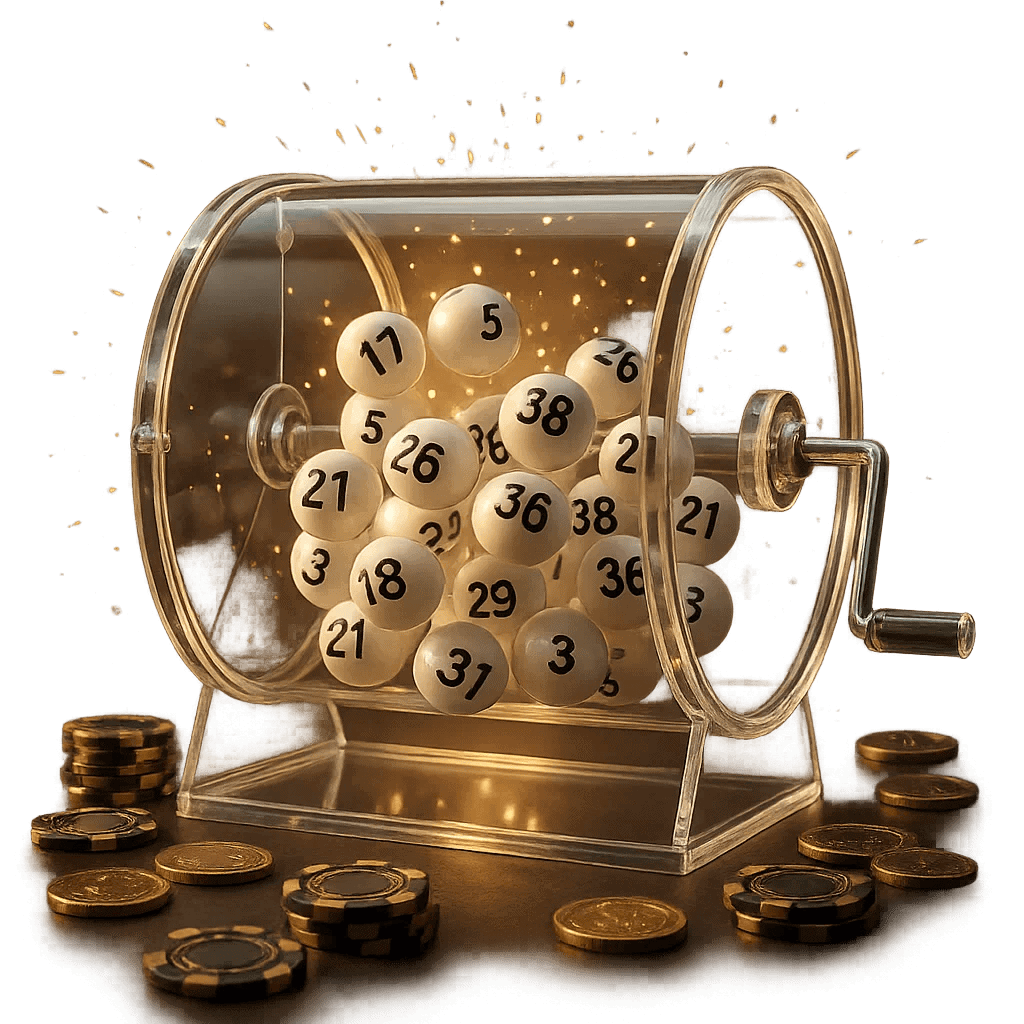
- Select your spots (how many numbers you’ll play) and mark the actual numbers.
- Choose stake and number of consecutive games (multi-race option) if available.
- The draw reveals winning numbers; your ticket highlights matches.
- Payouts are calculated from the paytable for your chosen spot count.
After a few rounds you’ll notice the rhythm is calm and repeatable, which helps you stick to a plan.
Spots, Picks, and Volatility
Your first big decision is how many spots to play. More spots raise potential top prizes but reduce the chance of hitting them; fewer spots pay smaller amounts but connect more often. Understanding that trade-off keeps expectations realistic.
- 1–2 spots: very frequent small wins, tiny top prizes.
- 3–4 spots: moderate hit rate with modest top prizes; popular for casual play.
- 5–8 spots: balanced middle ground with noticeable swings.
- 9–10+ spots: high-volatility tickets chasing large payouts.
As a rule of thumb, start in the 3–6-spot range while learning and adjust upward only if you’re comfortable with longer dry spells.
Payouts, Hit Rates, and House Edge
Keno uses published paytables that link your chosen spots to possible hits and their payouts. Returns vary by operator, but the structure is consistent: the more hits you need, the rarer the result and the bigger the prize. Because 20 balls are drawn from 80, the math is fixed; what changes between venues is the paytable generosity.
Even generous keno still has a noticeable house edge compared to table games. Treat it as a slow-paced, lottery-style diversion rather than something you can beat through pattern-spotting.
Retail vs Online Keno
Different formats change pace and interface, not the underlying math. Retail or live-draw keno posts results on boards or screens at set intervals, while online RNG versions can run on demand with immediate settlements. Both are typically certified; the choice is mostly about speed, convenience, and whether you enjoy scheduled draws or instant ones.
If you’re brand new, a slower schedule can be helpful: it gives you time to verify tickets and avoid rushed mistakes.
Simple Starter Plans
You don’t need a complicated system to enjoy keno responsibly. A small, consistent framework keeps variance in check while you learn how different spot counts feel.
- Low-variance start: Play 3–4 spots with flat stakes and short multi-race runs. This keeps hit frequency up and sessions steady.
- Balanced middle: Try 5–6 spots if you want occasional bigger payouts while staying sane on dry spells.
- High-variance shot: If you’re experimenting, take a tiny stake on 8–10 spots alongside a main low-spot ticket.
Write your plan first and stick to it; changing spot counts after a few misses usually makes swings feel worse, not better.

Bankroll & Pace Management
Because draws can be frequent, a little structure goes a long way. Decide your session budget, convert it to consistent bet sizes, and set boundaries so a normal downswing doesn’t push you into chasing.
- Size individual tickets around 0.5–1.5% of your session bankroll while learning.
- Use multi-race tickets sparingly at first so you can review results and adjust calmly.
- Set stop-loss and stop-win levels and respect them regardless of recent outcomes.
Clear limits make the game more relaxing and help you end sessions on schedule rather than on impulse.
Myths and Mistakes to Avoid
Most pitfalls come from trying to force patterns onto randomness. Recognizing them early keeps decisions calm and expectations realistic.
- Believing certain numbers are “hot,” “cold,” or “due” each draw is independent.
- Spreading to very high spot counts with large stakes before understanding variance.
- Buying long multi-race tickets you wouldn’t want to finish if variance turns against you.
- Chasing losses by raising stakes mid-session instead of pausing or resizing thoughtfully.
If you catch any of these creeping in, take a short break and reset your plan before the next draw.
Practice Scenarios
A few realistic setups help you translate guidelines into choices. Read each case, pick a plan, and then compare with the rationale that follows.
- Conservative learner: Bankroll aims for time on device. — Play 3-spot tickets at flat stakes over 5 draws. Rationale: Frequent feedback, minimal swings.
- Balanced session: You want occasional excitement without big stress. — Use 5-spot tickets with modest stakes; re-check paytable breakpoints. Rationale: Middle-ground volatility with sensible payouts.
- Taking a small shot: You’re curious about bigger prizes but want control. — Run two tickets: a small-stake 8-spot alongside your main 3–4-spot. Rationale: The side ticket adds upside without endangering the session.
Having a pre-picked route for each mood makes it easier to avoid impulsive switches.
Quick Tips for Ticket Clarity
Clean tickets prevent avoidable errors and disputes. Double-check marked numbers, confirm spot count and stake, and review the paytable before purchase especially if you change formats or denominations. A 30-second review saves a lot of confusion after the draw.
Responsible Play
Keno is designed for leisure. If you notice time distortion, frustration after short dry spells, or pressure to recover losses, pause and use safer-play tools in your region. The best session ends with you in control of both your time and your budget.