




A modern slot shows reels and symbols on screen, but the real decision happens inside a random number generator (RNG). Each time you press spin, the RNG maps fresh numbers to reel positions; the animation simply reveals what was fixed at the click. This separation matters: spins are independent, so streaks and near-misses do not “charge up” the machine.
Reels, Rows, and Symbol Sets
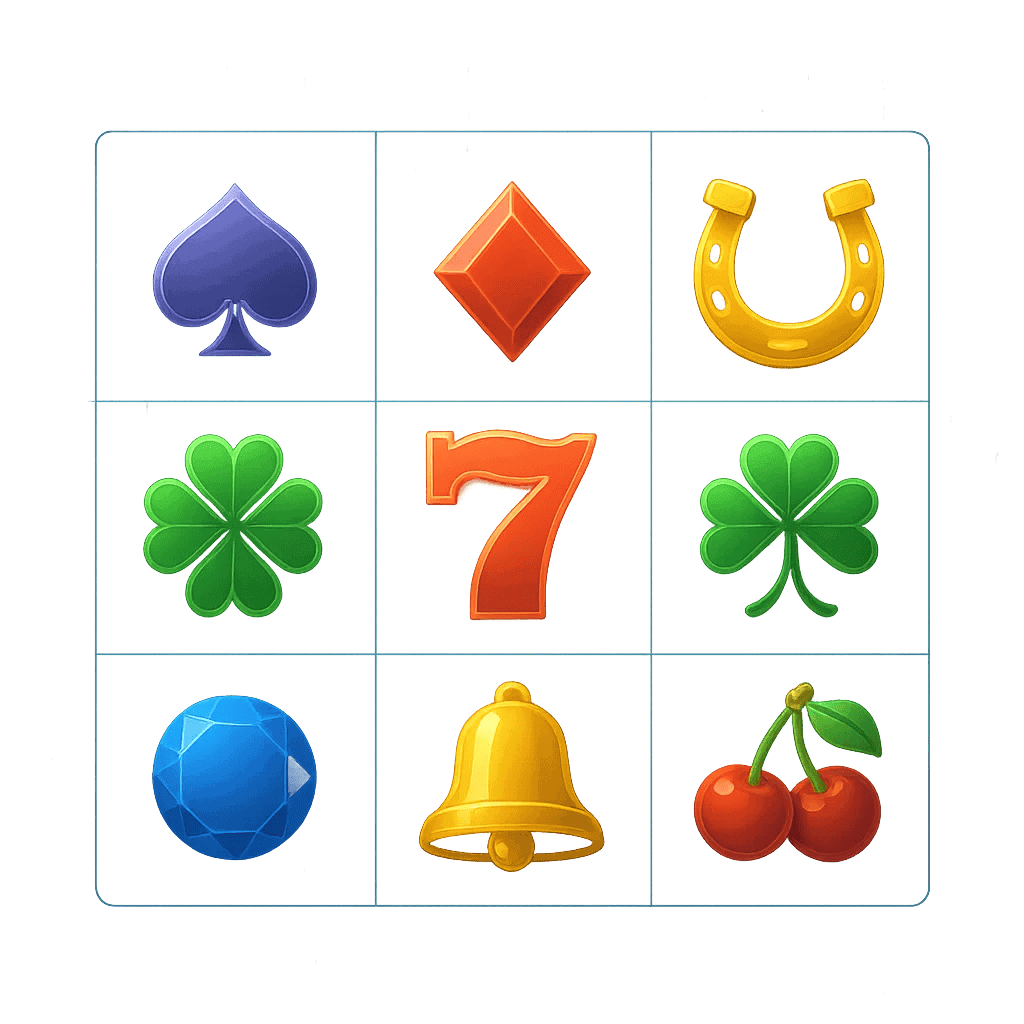
Common layouts are 5×3 or 6×4, though compact 3×3 classics and expanding grids exist too. Each reel has a “strip”, an ordered list of symbols with deliberate repetition. High-value icons appear fewer times, while low and mid symbols are more common to maintain hit frequency. Designers tune these weights so the game feels lively without diluting big wins.
How Wins Are Detected
Slots evaluate results using one of three families of rules:
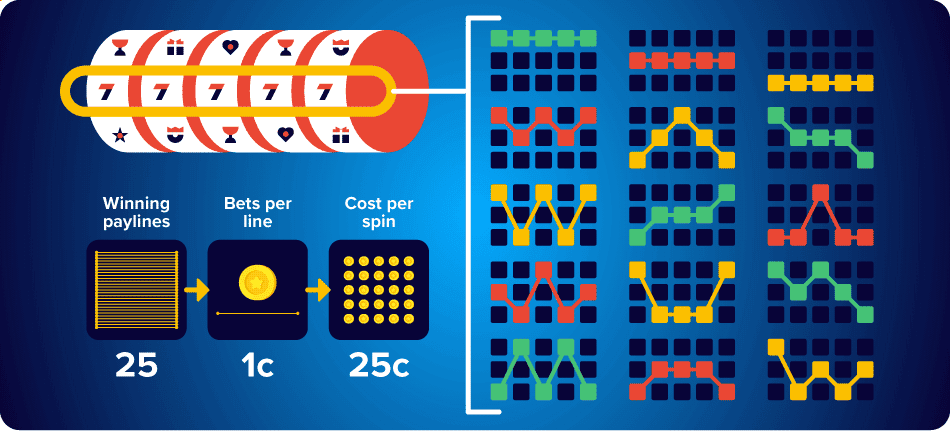
- Fixed paylines demand that matches land on predefined paths, usually left to right.
- Ways to win count any matches on adjacent reels, removing the need for strict lines.
- Cluster pays reward groups of touching symbols on a grid, often paired with cascades that refill spaces after wins.
The choice shapes rhythm. Lines feel binary and dramatic; ways feel smooth and frequent; clusters feel dynamic and chain-driven.
The Paytable, Wilds, and Scatters
The paytable lists payouts for each combination at your current stake. Wilds substitute for regular symbols and sometimes expand or carry multipliers. Scatters usually ignore lines and trigger features such as free spins or hold-and-spin rounds. These modifiers don’t change randomness; they control where the game stores value steady base taps, or rarer bursts in features.
RTP and Volatility Setting Expectations
Return to player (RTP) is a long-run percentage describing how much of all stakes the game returns as prizes. It is not a session guarantee. Volatility describes distribution: low volatility produces frequent small hits; high volatility stores more value in features and multipliers, creating dry spells and occasional spikes. Two games with the same RTP can feel wildly different because their volatility and feature design allocate value differently.
Your Controls: Bet, Lines, and Autoplay
Think of these controls as tools that shape tempo and exposure rather than levers that influence odds. They determine how quickly your bankroll cycles through the game’s variance and how clearly you can read the slot’s rhythm. Set them with the game’s volatility and your own attention span in mind.
- Bet size scales all paytable values. Pick an amount that lets you survive the swings your game’s volatility implies.
- Lines/ways selection (on some titles) adjusts how many paths are active; more paths raise hit rate but can split the stake.
- Autoplay/turbo affects tempo, not odds. Faster spins raise variance per minute and can stress your budget and focus.
Used together, these settings should serve a plan: enough spins to sample the game fairly, a pace you can follow without tilt, and a stake that keeps decisions clear. When in doubt, slow the tempo, lower the bet, and re-check the info panel before changing anything mid-session.
Reading the Info Panel
Open the information screen before you commit real funds. Confirm RTP, whether multiple RTP versions exist, how wins are detected, which reels can host wilds, whether multipliers stack, and how features trigger. If a demo is available, sample a few dozen spins to feel cadence and drought length.
Conclusion
A slot is a user interface on top of a probability model. Understanding reel strips, detection rules, the paytable, and how RTP and volatility shape pacing won’t bend luck but it will help you choose titles that fit your appetite for risk and set stakes that let you play on your terms.