


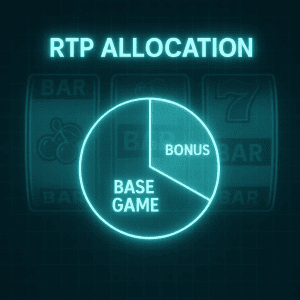

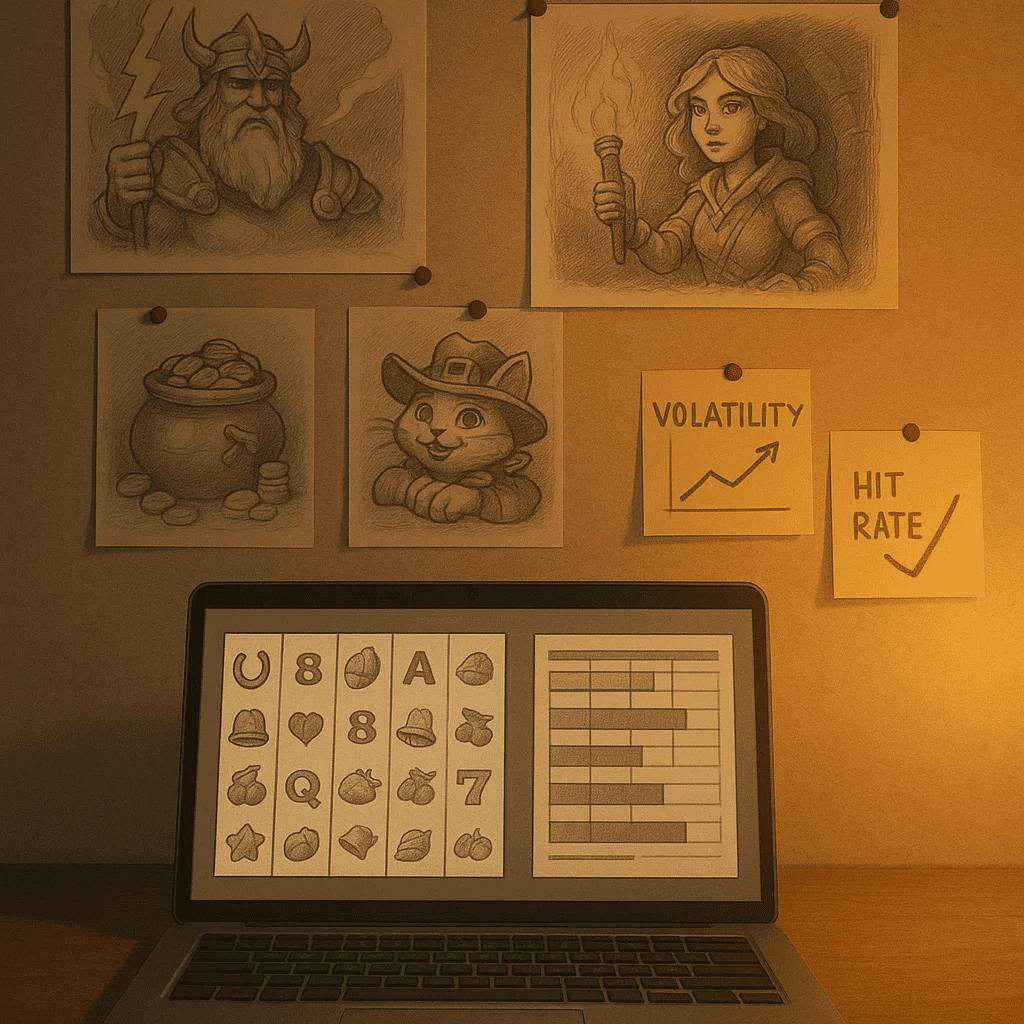
Every slot begins with a creative pitch: a theme, a mood board, and a target player profile. Designers translate that vision into concrete pillars grid size, the main feature (for example, free spins with sticky modifiers), and the desired emotional cadence. The brief also sets business goals like target RTP options and an ideal volatility band to support either relaxed sessions or high-adrenaline spikes.
Building the Math: Reel Strips, Weighting, and Hit Rate
Mathematicians craft reel strips ordered lists of symbols with deliberate repetition. High-value icons are weighted sparsely to keep jackpots rare; low and medium symbols are more common to maintain momentum. The team simulates millions of spins to find a hit rate that matches the brief. If base-game taps feel too scarce, they adjust symbol frequencies or add low-tier line pays. If wins feel trivial, they trim minor awards and shift value to the feature.
Encoding Wins: Lines, Ways, or Clusters
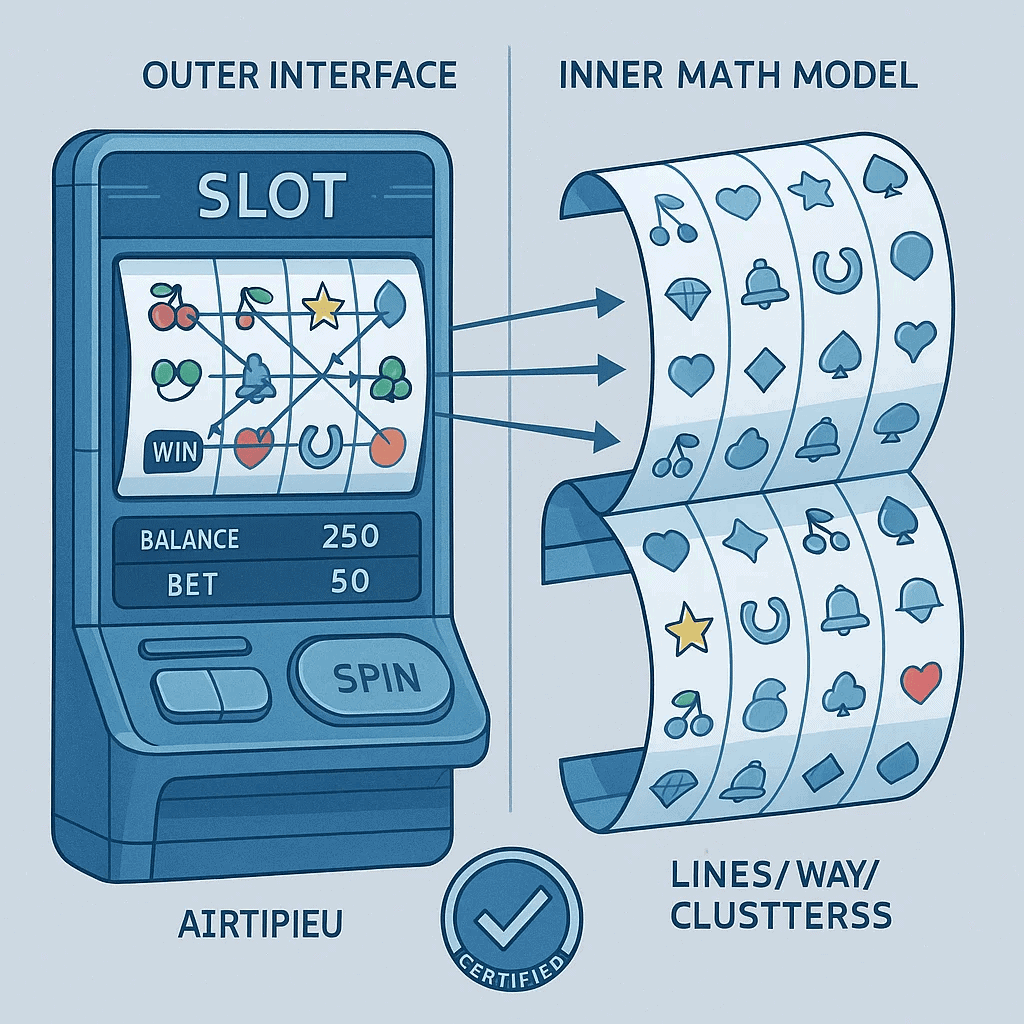
The detection method chosen fixed paylines, “ways” across adjacent reels, or cluster connections shapes session texture. Lines create crisp, well-defined moments; smooth outcomes with frequent small wins; clusters pair naturally with cascades and grid modifiers. The choice is artistic and mathematical, balancing clarity with excitement while staying within the targeted RTP.
Feature Economy: Where the Value Lives
Modern features act like economies. A free-spin mode might introduce multipliers that rise with each cascade, or sticky wilds that remain for the round. Hold-and-spin bonuses convert symbols into coin values that can expand the grid. Designers decide how often the feature triggers and how valuable it should be when it does. This “where the value lives” decision explains why two 96% games can feel so different: one pays in a steady base-game drizzle, the other in rare, cinematic bursts.
Tuning RTP and Volatility
After an initial model is stable, developers prepare multiple RTP builds (for example, 96%, 94%, 92%) required by various markets. Volatility is tuned by adjusting reel weights, feature trigger odds, and multipliers. Playtests combine telemetry with subjective feedback: are droughts too long, is anticipation satisfying, do near-misses create excitement without feeling manipulative? The aim is a rhythm that respects fairness while serving the theme.
UX, Audio, and the Psychology of Anticipation
User interface choices signal information clearly: payline highlights, scatter counters, and progress meters. Audio ramps tension as reels stop from left to right, and celebration cues scale with win size to reinforce significance. These layers don’t change odds; they choreograph emotion, turning a static probability model into an experience that feels alive.
Certification and Launch
Before release, the build goes through independent testing where the random number generator, paytable, and RTP settings are verified. Only after certification do operators receive the packages for deployment along with the rulesheets. Post-launch, analytics guide minor adjustments like improving clarity of tooltips or rebalancing audio levels but the certified math stays intact.
Conclusion
A slot is neither pure art nor pure math; it’s a negotiation between theme, user experience, and a carefully simulated probability engine. Understanding how reel strips are weighted, how wins are detected, and how value is stored in features explains why games with similar RTP can feel worlds apart. When you pick a title, you’re choosing not just a theme but a pacing philosophy encoded in numbers.