


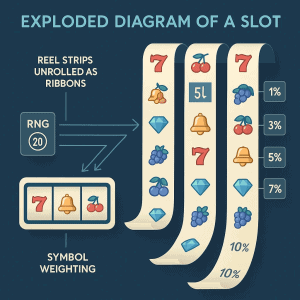

Pressing “spin” does not set physical reels in motion the way old machines did. In modern games, a random number generator (RNG) is constantly producing sequences of numbers. At the moment you click, the game reads a fresh set and maps those numbers to specific stops on each reel strip. The outcome is fixed in that instant; the spinning animation simply reveals it in a fun way. This means each spin is independent; previous results never “heat up” or “cool down” a game.
Reels, reel strips, and symbol mapping
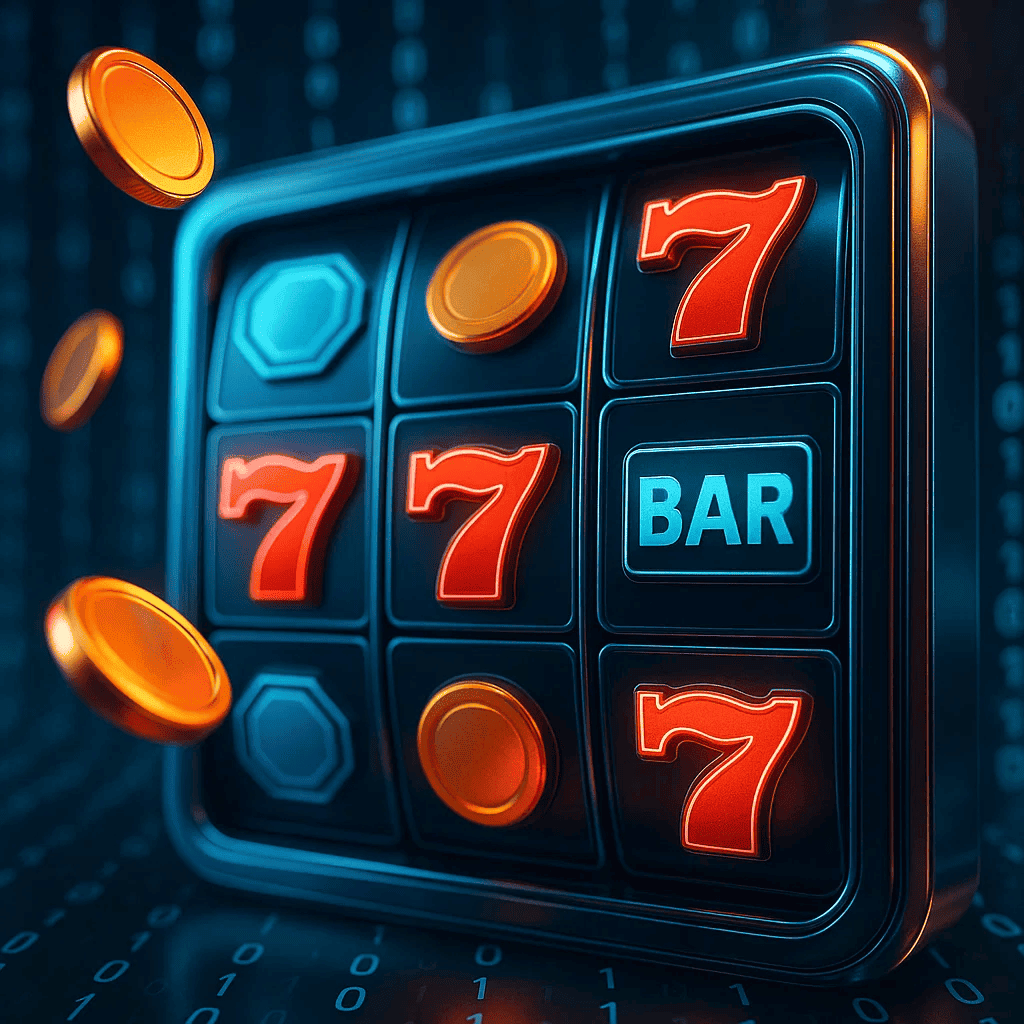
Every slot defines reel strips: ordered lists of symbols for each reel. A common layout is 5×3, but 3×3, 6×4, expanding reels, and other matrices exist. The RNG selects an index on each strip; the visible window shows the symbols aligned at those indices. Developers balance rare high-value symbols and common low-value symbols to achieve a desired hit frequency.
Paylines, “ways”, and clusters
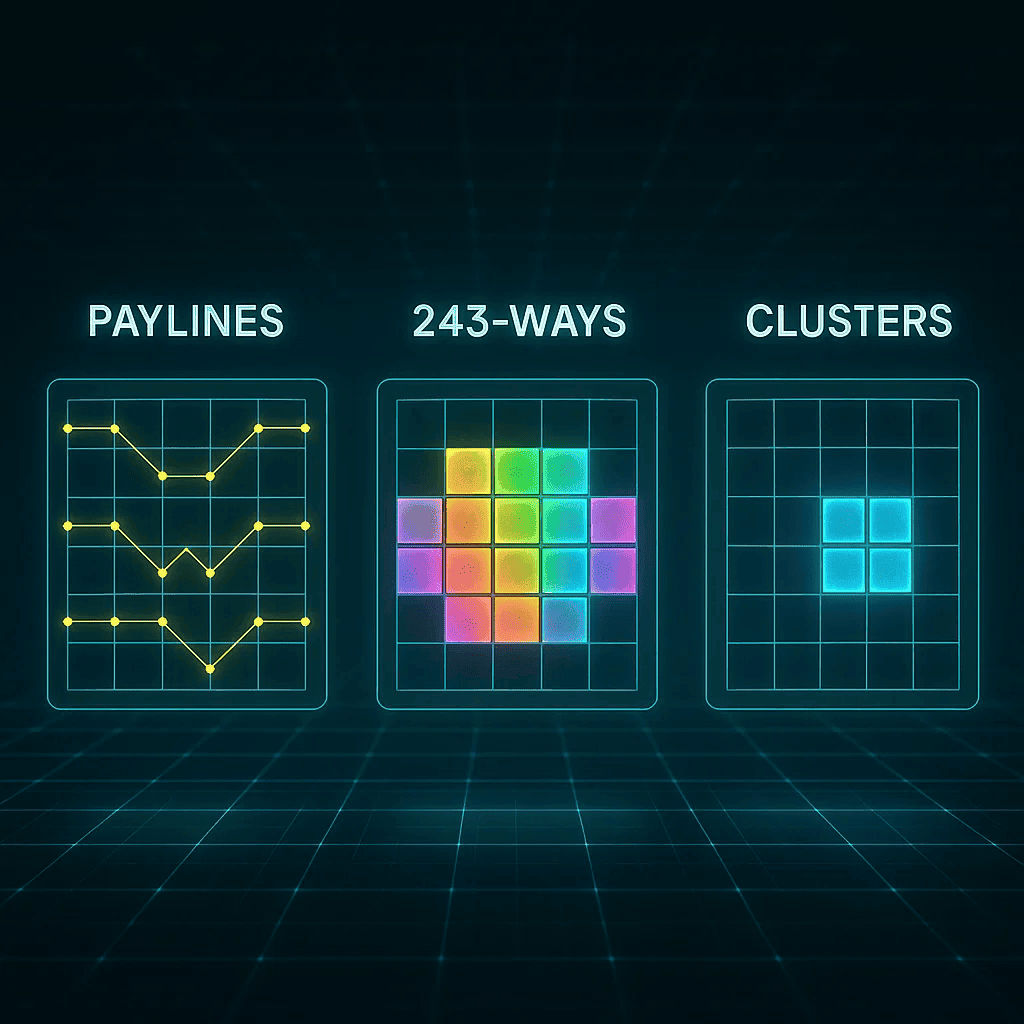
Payout logic is encoded in the rules. Classic paylines pay only when matching symbols land on defined paths from left to right (sometimes both ways). “Ways” systems evaluate all positions on adjacent reels e.g., 243 or 1,024 ways without fixed lines. Cluster games look for groups of adjacent symbols. These approaches change how often small wins occur and how much they pay.
The paytable and modifiers
The paytable links each combination to a prize, scaled by your bet. Two ubiquitous modifiers are wilds and scatters. Wilds substitute for regular symbols to complete lines or clusters; some carry multipliers or expand. Scatters usually trigger features like free spins or bonus pick rounds, and they can pay anywhere on the grid, ignoring lines. Other popular mechanics include cascading wins (symbols disappear after a win and new ones fall), sticky items that remain across spins in a feature, and meters that collect tokens toward a bonus.
RTP and volatility: what they do and don’t do
Return to player (RTP) represents the long-term share of stakes paid back as prizes. It is not a short-term promise. A 96% RTP emerges only over huge samples; in a brief session, luck dominates. Volatility describes the distribution of prize sizes: low volatility brings frequent small hits; high volatility brings long dry spells broken by occasional large jumps. The same RTP can feel completely different depending on volatility because the “where” of the return (base game vs. feature) changes the experience.
Session strategy and bankroll pacing
Because the RNG makes every spin independent, pattern chasing is ineffective. What players can control is pacing. Choose a bet size that lets you withstand swings appropriate to the game’s volatility. Free-spin modes and bonus rounds supply a big share of many games’ RTP; if you prefer a steadier flow, pick titles with frequent base-game hits and modest bonuses. Set stop-loss and time limits and consider a “win ceiling” to lock profits from lucky streaks.
Common myths debunked:
- “It hasn’t paid in a while, it’s due”. False. Independence means no memory and no schedule.
- “Bigger bets improve RTP”. Generally false; bet size usually scales payouts, not percentages.
- “Time of day matters”. It doesn’t. RNG output does not track server clocks to favor or punish.
What to check before playing
Open the info panel to see RTP, volatility notes, payline structure, feature descriptions, and bet range. Some titles ship with multiple RTP configurations; you should verify the version in front of you. If available, test the demo to feel the cadence before risking money.
Conclusion
Online slots are algorithms dressed as spinning reels. The RNG fixes each outcome at click time; paytables and rules turn that outcome into a prize or a miss. Understanding RTP, volatility, and how features allocate value helps you pick games that fit your budget and temperament. Once your session starts, only bankroll discipline and luck determine how the story ends.