



Gambling was designed as recreation, not as a test of willpower or an income source. Responsible play means enjoying the excitement while staying within limits that protect both your finances and mental balance. It’s not about avoiding games entirely, it’s about keeping control over time, money, and mood.
When limits blur, what began as leisure can turn into pressure. Recognizing early signs of loss of control is the first step toward staying safe.
Recognizing risky patterns
Before problems appear, behavior usually changes subtly. Understanding the early indicators helps you react in time.
- Spending more than planned or chasing losses after a bad session.
- Feeling irritation or guilt after play.
- Hiding gambling activity from family or friends.
- Thinking constantly about previous or upcoming games.
- Borrowing money to continue playing.
If several of these sound familiar, it’s time to pause, reflect, and reset your approach before harm develops.
Setting financial and time boundaries
Boundaries transform gambling from potential risk into controlled entertainment.
Start with a session budget money you can afford to lose without affecting bills, food, or obligations. Once it’s gone, stop playing. Combine this with a time limit, because fatigue and emotions erode judgment faster than losses.
Modern gambling platforms often include limit tools: deposit caps, reality checks, or self-exclusion periods. Using them isn’t a weakness, it’s self-discipline.
Emotions, mindset, and “tilt”
After consecutive losses, the mind tries to “win back control.” This emotional reaction known as tilt pushes people toward impulsive bets. Recognize the signs: raised heartbeat, tension, frustration, urgency.
The best response is not to double down but to take a break even a five-minute walk resets perspective. Games don’t have memory; you can return later with a clear head.
How to keep play positive
Enjoyment comes from treating games as storytelling and chance, not as a way to solve problems. Approach each session with curiosity, not expectation. Celebrate wins modestly, accept losses calmly, and remember: every spin or deal is independent.
Discussing experiences with friends, setting shared limits, or logging outcomes can turn play into social fun instead of private stress.
Self-assessment before each session
A one-minute reflection can prevent hours of regret.
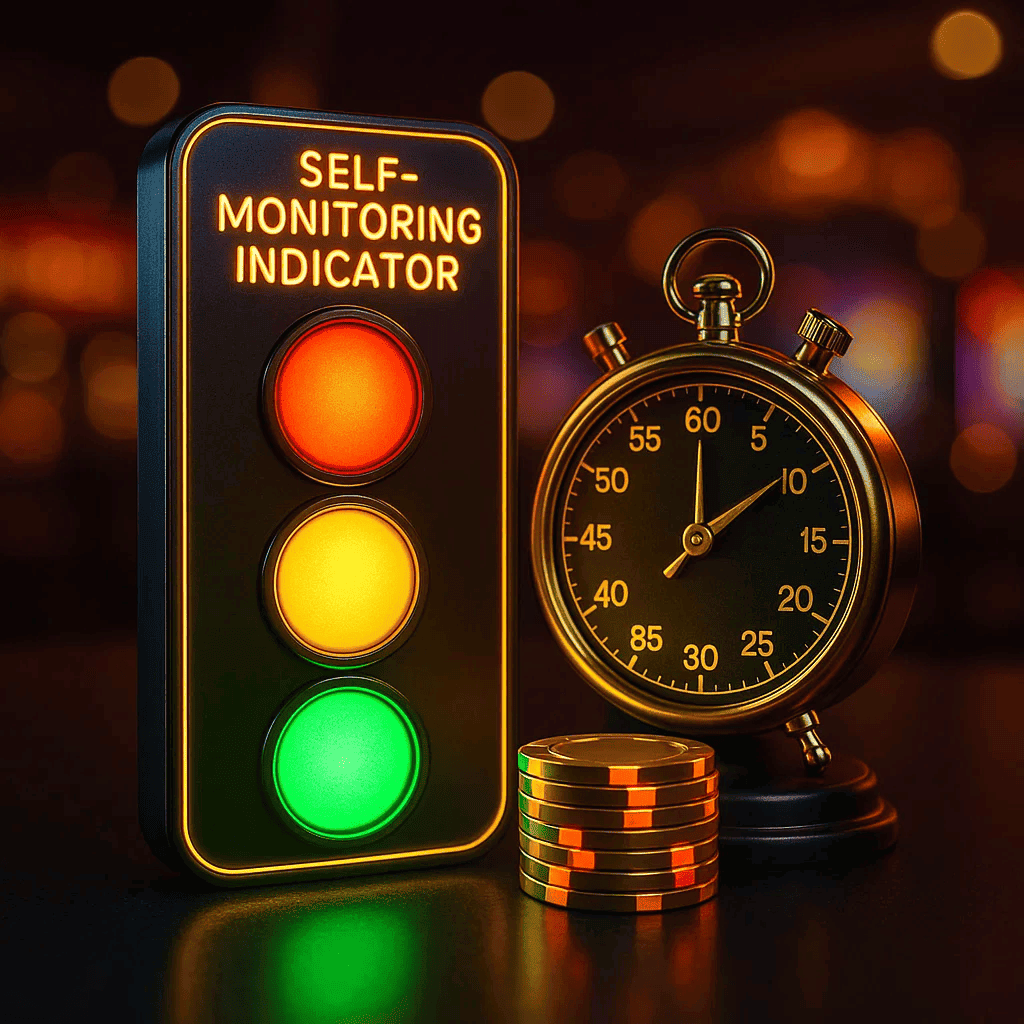
- Am I relaxed, clear-headed, and playing for fun not to fix a mood or financial issue?
- Do I have a strict budget and time plan?
- Do I know the game rules and odds?
- Can I stop easily if I lose or get frustrated?
If any answer is “no,” it’s better to postpone. Awareness keeps play sustainable.
Final thought
Responsible gambling is not about restriction, it’s about freedom through control. Knowing your limits, recognizing emotions, and planning your play ensures that entertainment stays entertainment. True enjoyment is measured not by winnings but by balance.