
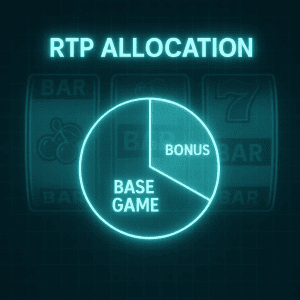



Every slot is built around two forces: a long-term house margin and short-term variance. The margin ensures the game earns over millions of spins; variance decides how bumpy your personal ride feels. If you ignore variance, you can pick a solid game on paper and still burn through funds faster than expected. Treat your bankroll like fuel: the higher the volatility, the bigger the tank you need for the same trip.
Estimating session length without complicated math
You don’t need formulas to get a decent estimate of how long your money might last. Think in three steps: average bet size, spins per hour, and the game’s volatility profile.

- Start with a base budget you’re comfortable losing; this is entertainment spend, not an investment.
- Pick a bet size that lets you play at least a few hundred spins; many players aim for a bankroll of 200–500 base bets for medium volatility.
- Remember that higher volatility stretches results out: long quiet stretches punctuated by bigger hits. To enjoy the same time on device, you either lower your bet or raise your bankroll.
This isn’t a guarantee RNG outcomes are independent but the approach keeps expectations realistic and prevents “five-minute sessions” caused by overbetting.
Reading volatility from public game info
Most game lobbies or help pages hint at risk even when no number is given. Look for a few telltale signs and weigh them together instead of fixating on a single line.
- Hit frequency or “win rate.” Lower numbers usually mean higher volatility and bigger average prizes when wins do land.
- Maximum win potential. Very large top payouts often correlate with higher variance.
- Bonus structure. Features that stack multipliers, unlock levels, or trigger rare super-rounds typically push variance up.
- Paytable shape. Flatter paytables with many small line wins skew lower volatility; steeper paytables concentrate value in fewer, larger outcomes.
After reviewing these clues, decide whether you want steadier engagement or are fine with swingy sessions in pursuit of rarer peaks.
RTP: useful compass, not a promise
Return to Player is a long-run average. Two games can post the same RTP yet feel nothing alike because one funnels more of its return into infrequent features. Use RTP to avoid obviously low-return options when you have a choice, but let your volatility preference drive the final decision.
Common pitfalls and how to sidestep them
Many players derail their plan not because of the math, but because of habits formed under pressure. Recognizing these traps in advance keeps your session on track.
- Chasing losses with bigger bets. This magnifies variance and shortens sessions; scale down instead.
- Treating streaks as signals. Streaks happen in random data; they aren’t forecasts.
- Ignoring total cost per hour. Fast auto-play with high bets drains budgets regardless of RTP.
- Switching games too quickly. Jumping mid-tilt can morph into impulsive bet sizing; pause first, then choose deliberately.
Leaving these habits behind makes your budget last longer and your decisions calmer.
A practical, pre-play checklist
Before you press spin, ground your plan with a short routine. The point isn’t perfection, it’s avoiding preventable mistakes.
- Choose a bet that gives you a few hundred spins on your budget for medium-risk play; lower it for higher-risk games.
- Confirm the game’s volatility cues (hit rate, max win, bonus style) match your mood and goals today.
- Set a stop-loss and a soft win goal; once either is hit, consider ending the session.
- Keep a steady spin pace; faster isn’t better if it empties your session too soon.
This minute of prep won’t change the odds, but it will change how you experience them.
Glossary you can actually use
Bankroll: The amount you decide to risk for a session.
Bet size: The amount wagered per spin.
RTP (Return to Player): Long-term average percentage of stakes returned as prizes.
Volatility/variance: How widely results can swing around that average.
Hit frequency: Rough share of spins that produce any win.
RNG (Random Number Generator): The algorithm that independently decides every spin’s outcome.