



Video poker combines the transparency of a five-card draw with slot-style pacing. You receive five cards, choose which to hold, draw replacements, and get paid according to the final poker hand. Unlike pure slots, your choices matter, good decisions raise your long-term return and smooth out variance.
Hand Rankings You’ll Use

You don’t need to memorize every poker nuance, but you should know which hands pay and how they compare. Jacks or Better uses standard rankings where higher combinations pay more and a pair of jacks or higher is the minimum paying hand.
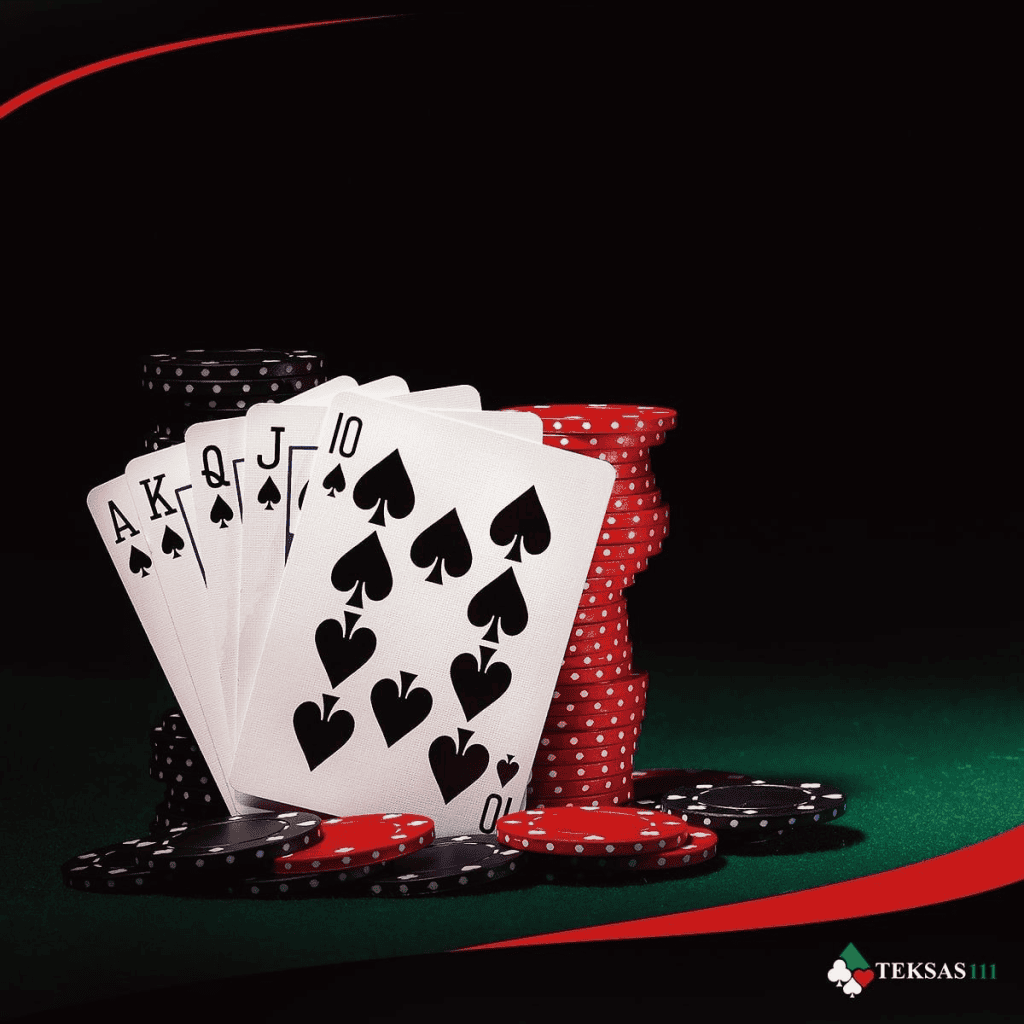
- Royal Flush (A-K-Q-J-10 suited)
- Straight Flush
- Four of a Kind
- Full House
- Flush
- Straight
- Three of a Kind
- Two Pair
- Jacks or Better (a pair of J, Q, K, or A)
Keep this ladder in mind while deciding what to hold; it’s the target you’re steering toward with each draw.
How a Hand Plays (Step by Step)
The round structure is simple, and once you’ve seen it a few times the game moves very quickly. You bet, receive five cards, choose what to hold, draw, and then the machine evaluates your final hand against the paytable.
- Set your wager (many games pay best at the maximum “five-coin” bet because of an enhanced royal-flush payout).
- Receive five cards and decide which to hold.
- Press draw to replace the discards with new cards from the same virtual deck.
- Get paid according to the paytable; a new hand begins.
After a few rounds, the biggest challenge is not the flow, it’s choosing the mathematically best holds consistently.
Paytables, Returns, and Why “9/6” Matters
Payout schedules change the game’s return dramatically, so checking the paytable before playing is the easiest edge you control. In Jacks or Better, a “9/6” table means Full House pays 9 and Flush pays 6 per coin; with optimal play, this version returns about 99.54%. Lower paytables drop the return accordingly.
- “9/6 Jacks or Better”: widely considered the benchmark full-pay table.
- “8/5”, “7/5”, etc.: each step down trims expected return.
- Progressive jackpots or promotions can raise long-run returns, but volatility also climbs.
A one-minute paytable check can be worth more than hours of play; always verify before you commit your bankroll.
Essential Strategy Priorities (No Giant Chart Needed)
Full optimal strategy is a long chart, but you can capture most of the edge by following a priority list. Think of these as rules of thumb that cover the majority of common spots while keeping decisions fast.
- Made hands beat draws: Keep pat hands like a made straight, flush, full house, or better don’t break them chasing unlikely upgrades.
- High pairs over most draws: Hold a high pair (J-A) rather than four to a straight or three to a straight flush. The frequent small win outperforms the speculative draw.
- Open-ended straight draws are better than inside (one-gap) draws when all else is equal.
- Four to a flush usually beats a single high card, but compare carefully if the high card is part of a stronger option.
- Low pairs often beat holding single high cards, but four to a straight/flush can override them; context matters.
- Two suited high cards are typically better than one; three to a royal can outrank many alternatives due to its value density.
- Never hold a low kicker with a high card; lone high cards are cleaner draws to a paying pair.
These priorities won’t catch every edge case, but they’ll prevent the biggest leaks until you’re ready for a full chart.
When to Break a Hand (The Exceptions That Matter)
Occasionally, you should break a decent but not premium hand to chase a more valuable outcome. Understanding these exceptions keeps your EV intact. For example, break two pairs only to go for four of a kind? In Jacks or Better, that’s not correct. You should draw one card to try for a full house. Conversely, break a made flush only if you somehow have four cards to a royal the royal’s boosted payout at max bet can justify the risk in rare setups.
Remember, these are narrow cases; if you’re unsure, default to keeping the made hand or the higher-priority hold from the previous section.
Variance, Bankroll, and Bet Sizing
Video poker variance depends on the paytable and how aggressively the royal-flush bonus is weighted. A steadier paytable yields more frequent small wins, while royal-heavy games amplify swings. To keep sessions comfortable, align bet size with your budget and goals.
- Consider 200–400 bets as a typical session roll for casual play on Jacks or Better.
- If you’re chasing long sessions, size your bet so a normal downswing doesn’t end the session early.
- Playing max coins is often optimal thanks to the boosted royal payout; if the budget can’t support it, drop the denomination rather than the coin count.
By pacing your wager and choosing sensible paytables, you preserve both enjoyment and expected return.
Common Mistakes to Avoid
Most leaks come from a few recurring habits, and plugging them quickly improves results. Players often mis-rank draws, chase inside straights too often, and break pat hands without sufficient upside. Another frequent error is playing reduced paytables out of convenience, which quietly taxes every decision you make.
Treat these as early “quality checks” each session: confirm the paytable, review your hold priorities, and resist the urge to improvise under short-term emotion.
Quick Practice Drills
Short scenarios help you internalize the priorities. Read each deal, choose a hold, and then compare with the rationale right after.
- Deal: A♠ K♠ Q♠ J♠ 5♦ — Hold A-K-Q-J♠ (four to a royal). Rationale: The royal draw dominates even a made straight draw here.
- Deal: Q♥ Q♣ 9♠ 4♦ 3♦ — Hold Q♥ Q♣. Rationale: High pair outperforms draws from random kickers.
- Deal: 8♣ 8♦ 8♥ J♣ Q♦ — Hold 8-8-8. Rationale: Trips aim for full house or quads; don’t keep offsuit overcards.
- Deal: A♦ 10♦ 7♦ 3♦ K♣ — Hold A-10-7-3♦. Rationale: Four to a flush beats a lone high card.
- Deal: 10♣ 9♦ 8♦ 7♣ A♣ — Hold 10-9-8-7 (open-ended). Rationale: Open-ended straight draw is stronger than a single ace.
If you can explain why each hold wins, you’re already close to optimal play without memorizing a full grid.
Popular Variants and What Changes
Many video poker variants tweak a few payouts and ripple the strategy. For example, Bonus Poker increases four-of-a-kind returns, which nudges decisions toward pairs; Double Bonus exaggerates this further, increasing variance; Deuces Wild changes everything by turning twos into wild cards and eliminating the “Jacks or Better” pair requirement.
When switching variants, always re-check the paytable and consult a variant-specific priority list small payout changes can flip close decisions.
Etiquette and Practical Tips (RNG & Live)
Whether you’re on a dedicated machine or playing via an online client, a few habits make the experience smoother. Test in free or low-limit mode to learn the interface, verify the paytable every time you change tables, and set session timers so autopilot doesn’t creep in. Keeping notes on tricky spots helps you refine your personal priority list over time.
With a little structure and attention to details, video poker becomes a skill-forward, transparent alternative to purely random spinning.
Responsible Play
Video poker is still gambling, even if skill influences return. Set clear limits, avoid chasing losses, and step away if play stops being fun or begins to affect your well-being. The best outcome isn’t just a high payout, it’s leaving the session in control of your time and budget.