


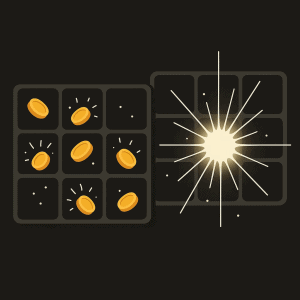

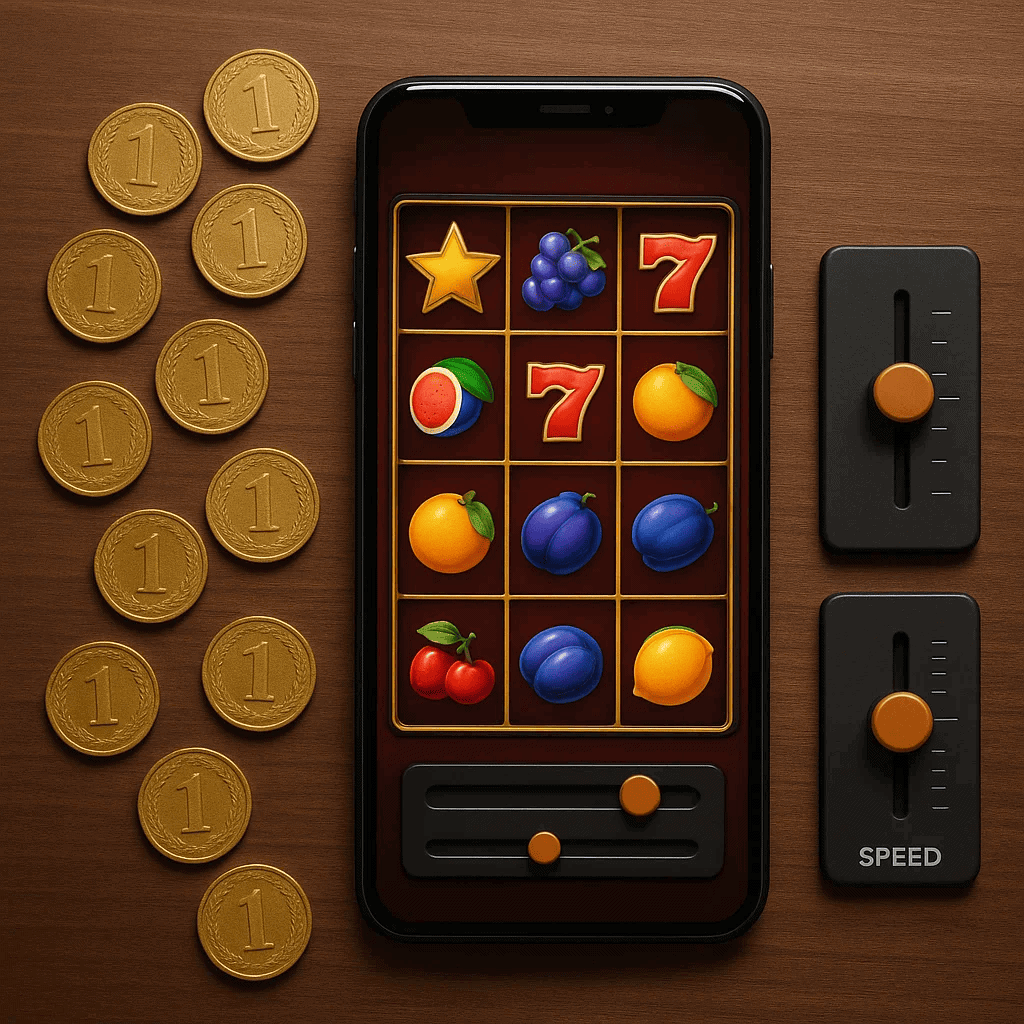
Most slots greet you with a spin button, stake controls, an info icon, and sometimes options for turbo or autoplay. Think of these as pacing tools, not levers that influence odds. Use the info panel first: it explains symbol values, the detection method (lines, ways, clusters), feature triggers, and any special rules like sticky wilds or progressive multipliers.
Choosing a Stake with Volatility in Mind
Pick a stake that fits the game’s temperament. On low-volatility titles, slightly higher stakes can make frequent taps feel meaningful; on high-volatility titles, smaller stakes protect you through dry spells while you wait for features. A simple rule of thumb is to plan for at least 40–60 spins on low volatility and 100+ on high volatility for a fair “sample” of the game’s behavior.

Understanding Features Without Superstition
Features aren’t shortcuts to profit; they’re design containers for value. Free-spin modes may add multipliers, extra wilds, or expanded grids. Hold-and-spin rounds convert symbols into coin values for a timed streak of respins. Cascades can chain multiple evaluations from one paid spin. All of it rides on the same RNG, exciting, but still random and independent each time.
Lines, Ways, and Clusters in Practice
Before you spin, decide what kind of cadence you want. Win-detection rules shape not only how often you hit but also how clearly you can read progress. Precision paths build sharp anticipation, adjacency smooths outcomes into frequent small connections, and cluster systems invite chain reactions that can snowball from a single result.
- Lines reward precision; the thrill comes from watching the last reel stop to complete a path.
- Ways reward adjacency; small connections happen often and smooth bankroll motion.
- Clusters reward groups and chain reactions; the board transforms as wins clear space.
Try a demo to see which rhythm you prefer before risking funds.
Bankroll Structure You Can Stick To
Decide on a session budget, then set a stop-loss and a win ceiling. This frames randomness in boundaries you control. If a game offers a buy-feature option, treat purchases as separate mini-sessions and cap the count in advance; feature buys compress variance into fewer spins and can burn budgets quickly.
Common Beginner Mistakes and How to Avoid Them
New players often chase near-misses, raise stakes after losses, or believe specific times are “luckier.” These habits come from pattern-seeking, not from math. Slow down the tempo, keep stakes consistent for the session, and evaluate games by their rules, not by streak folklore.
Conclusion
Playing slots well is about preparation and pacing, not prediction. Learn the UI, read the rules, size bets to volatility, and enforce simple limits. With those pieces in place, you’ll experience the game as designed: bursts of excitement within a framework you control.